Mental Health Awareness Month Is Ending, But the Conversation Still Matters
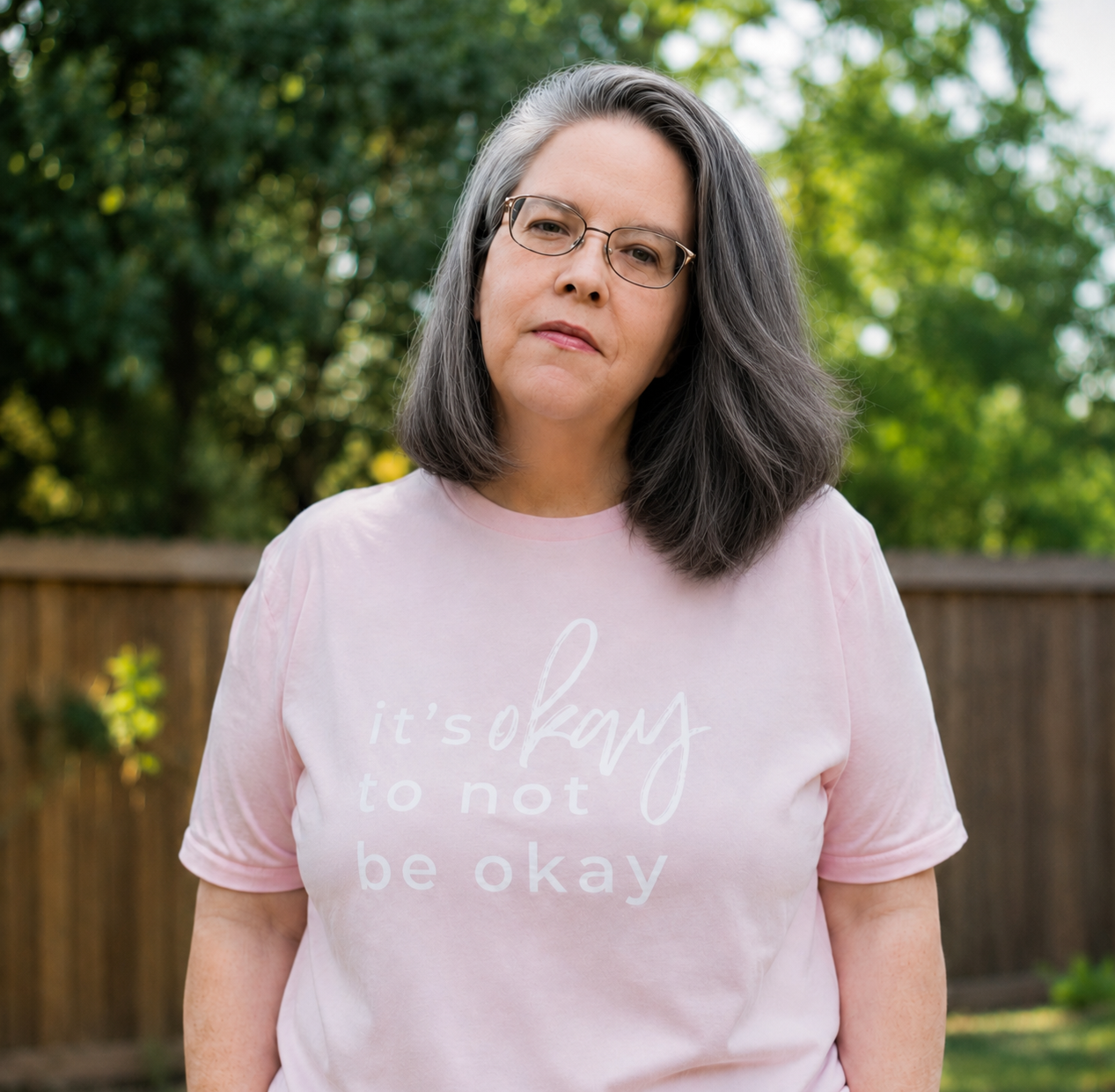
Mental Health Awareness Month is coming to an end, but the need for honest conversations does not end with it, especially for women in midlife, and especially for those of us who have carried anxiety, depression, grief, trauma, shame, stress, and silence for longer than most people know.
I have been thinking a lot about what it means to talk about mental health honestly. Not in a polished way. Not in a way that makes everything sound neatly healed or wrapped up with a pretty bow. But in a real way. The kind of way that allows someone else to exhale and think, maybe I am not the only one.
For many of us, mental health has not been one clean chapter of our lives. It has been woven through different seasons. Childhood. Teen years. Marriage. Motherhood. Work. Loss. Hormones. Midlife. Aging. Caregiving. Becoming someone new while still carrying pieces of who we used to be. And sometimes, it started much earlier than people realize.
When I was between the ages of eight and twelve, my dad’s second wife was mentally and physically abusive. That is a hard sentence to write. It is also a true one.
During those years, I did not have the words for anxiety, depression, or trauma. I was a child trying to survive something no child should have had to endure. Most of that time, I did not have a plan to hurt myself, but I often thought about dying. I remember hoping I would not wake up. For me, those thoughts came from abuse.
What makes that even more complicated is that I was seeing a child psychologist regularly during that time. But after those sessions, the adults would discuss what had been said. When I mentioned her, there were consequences waiting for me when no one else was around.
There are parts of that story I still choose to hold carefully. Some details do not need to be laid out publicly in order for the truth to matter. But I can say this. Some of what happened to me felt like torture. And I was just a little girl.
Looking back now, I have so much compassion my younger self. She was not dramatic. She was not difficult. She was not broken. She was surviving. And that is one of the reasons mental health awareness matters so deeply to me.
Sometimes the people who are struggling are children who do not have the words yet. Sometimes they are adults who learned early how to hide pain. Sometimes they are women in midlife who have spent decades functioning, caregiving, working, mothering, smiling, and showing up while carrying wounds no one ever saw.
At twenty years old, I had my first panic attack. That was the first time I was prescribed anxiety medication. I took it until I became pregnant, and like many women, I kept moving forward. Life kept happening. Responsibilities kept coming. But depression has been something I have dealt with for the majority of my life.
There were seasons when I managed it quietly. There were seasons when I pushed through. There were seasons when I did not fully realize how heavy it had become because carrying heavy things had started to feel normal.
Then, in 2017, my best friend died. Grief cracked something open in me. The sadness, the exhaustion, the anxiety, the depression, all of it became too much to keep carrying alone. And this time, I asked for help.
I was prescribed medication that helped me feel like myself again. Not like a different person. Not numb. Not weak. Myself. And I wish more people understood that. Getting help does not mean you failed. Taking medication does not mean you are broken. Therapy, medication, support, honesty, rest, and boundaries can all be part of healing. They can be part of coming back to yourself.
Then COVID came in 2020. As a respiratory therapist, I was on the frontline during a time when death, fear, loss, and survival were part of every shift. I saw more death than anyone should have to see. I carried stories home that I could not easily put down. There were mornings when I left work and cried all the way home.
That season changed me. Antidepressant medication helped me stay steady through a season that was anything but steady. I do not feel shame saying that. Sometimes help looks like medication. Sometimes it looks like finally admitting that being strong does not mean doing everything alone.
Mental health does not always look dramatic from the outside. Sometimes anxiety looks like being the dependable one. Sometimes depression looks like showing up, going to work, taking care of everyone else, and falling apart quietly when nobody is watching. Sometimes survival looks like functioning. And sometimes the person who seems strong is also the person who has spent years trying not to collapse under the weight of everything they never said out loud.
I think about that a lot now, especially in midlife. Women in midlife are often expected to keep carrying things without complaint. We carry jobs. Families. Aging parents. Adult children. Marriages. Grandchildren. Health changes. Hormone changes. Grief. Responsibility. Exhaustion. We are often praised for being strong, but not always asked if we are okay. And sometimes that strength becomes its own kind of cage.
When everyone sees you as capable, it can feel harder to admit you are struggling. When people depend on you, it can feel selfish to need support. When you have made it through hard things before, it can feel confusing to suddenly feel undone by something smaller.
But midlife has a way of bringing old things to the surface. The anxiety you pushed through. The sadness you minimized. The trauma you survived but never really named. The parts of yourself you abandoned because life demanded too much. The grief you did not have time to feel. The younger version of you who needed tenderness and never got enough of it.
That is why mental health matters to me. Not just because it is a topic for awareness month. Not just because it is important in a general sense. It matters because I know what it feels like to carry things silently. I know what it feels like to look back and realize how young you were when the heaviness began. I know what it feels like to keep going because you had to, even when you did not have the words for what was happening inside of you.
As a respiratory therapist, I have also seen people in some of their most vulnerable moments. I have learned that health is never only physical. People bring their fear, grief, anxiety, trauma, exhaustion, and life stories into every room they enter. The body and the mind do not live separate lives.
This is why being approved as an ambassador for Own Your Stigma feels so meaningful to me. This is not just about a brand or a calendar month. It is about standing beside a message I believe in with my whole heart.
Own Your Stigma promotes mental health awareness and encourages people to speak more openly about the things so many of us carry. For me, this ambassadorship is not about pretending to have all the answers. It is about standing with people who believe shame should not be part of the conversation around mental health.
There should be no shame in struggling. There should be no shame in needing help. There should be no shame in saying, I am not okay. And there should be no shame in talking about anxiety, depression, suicidal thoughts, trauma, grief, or the parts of our stories that took years to say out loud.
I am not sharing my story because every detail needs to be public. Some things can stay sacred. Some things can stay protected. But I do believe there is power in saying enough to let someone else know they are not alone, especially the woman in midlife who is tired, anxious but still productive, depressed but still smiling, grieving while everyone assumes she is fine, trying to understand her changing body and changing mind at the same time, and finally wondering who takes care of her after decades of being strong.
You are not weak. You are not broken. You are not too much. You are human.
Mental Health Awareness Month may be ending, but the conversation cannot end here. Not for our daughters. Not for our friends. Not for the women we work beside. Not for the younger versions of ourselves who needed someone to say, this pain matters. And not for the women we are becoming now.
With Love from Mabank,
Brandy
Help is available
If you are having thoughts of self harm or suicide please reach out for support right now.In the United States, you can call or text 988, or start a live chat with the 988 Suicide and Crisis Lifeline. It is free and confidential, and you will reach someone who is trained to listen, support you, and help you through the moment.
These services are unaffiliated with Own Your Stigma and Midlife in Mabank. I am sharing them because help exists, and no one should have to carry that kind of pain alone. You deserve support before things become unbearable. You deserve care before you have to prove you are hurting. You deserve to be heard. And you deserve to live in a world where mental health is treated like health, because it is.
I am proud to be joining Own Your Stigma as an ambassador. If their message speaks to you, you can visit them through my referral link below.
https://ownyourstigma.com/?ref=midlifeinmabank
You can also use code midlifeinmabank for 15 percent off.
Mental health is health. Asking for help is human. And no one should have to feel ashamed for surviving what they have carried.
This post includes my ambassador referral link. If you choose to shop through it or use my code, I may receive credit.
